Category archive

Uncategorized

UK weather: Coastguard issues new warning after busiest day in four years
in Uncategorized

After recording its highest number of call-outs in a single day for more than four years, the UK’s coastguard has issued a new warning urging people to be careful in the sea.

Its teams dealt with 340 incidents and rescued 146 people on Saturday.

Saturday was the second day of a mini-heatwave for parts of the UK, with temperatures hitting 34.5C (94.1F).

A woman in her 30s died on Sunday after getting into difficulties in the sea off the coast in Waxham, Norfolk.

She was recovered from the water but was pronounced dead on arrival at hospital, said Norfolk Police, adding that the death was being treated as unexplained but not suspicious.

The latest figures from the coastguard came just over a week after the coastguard reported its previous record of 329 incidents.

HM Coastguard’s head of coastguard operations, Richard Hackwell, said there had been “a big rise” in incidents this weekend “as more people visit coastal areas and head to the beach”.

“We understand that people want to have fun at the coast and enjoy the heatwave but we urge everyone to respect the sea and take responsibility in helping to ensure the safety of themselves, friends and family,” he said.

Separately, the RNLI called for people to wear life jackets if going out on the sea, after a number of kayakers needed rescuing off the Devon coast on Sunday.

The warnings came on another sweltering day for many Britons on Sunday, with a high of 34C recorded in East Sussex, according to BBC Weather.

Earlier, it reached 24.3C in Scotland (Achnagart), 23C in Wales (Hawarden) and 21.6C in Northern Ireland (Ballywatticock), BBC Weather said.

There will also be little relief from the warm weather overnight, particularly in south-east England, where some face a so-called tropical night – when temperatures stay above 20C.

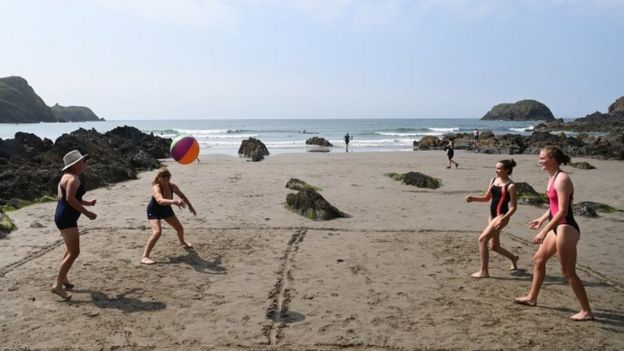
Crowds packed out beaches along the coast for the third day in a row on Sunday as the hot weather continued.

Thanet District Council warned four of its beaches in Kent – Margate Main Sands, Viking Bay, Joss Bay and Ramsgate Main Sands – were “extremely busy”, with high tide likely to make social distancing difficult.

And Dorset Council urged people to avoid Lulworth and Durdle Door by midday due to large numbers in the area.

Some seafront car parks in Dorset were full by mid-afternoon, and Bournemouth, Christchurch and Poole Council warned beachgoers – via a new mobile app – of congestion on much of its 24 beaches.

Meanwhile, a woman has died following a collision between a water bike and a boat off Anglesey, in Wales.

‘Significant’ increase

The coastguard co-ordinated search and rescue responses to a wide range of incidents on Saturday, including people being cut off by the tide and children swept out to sea on inflatables.

In total, the service responded to 186 emergency 999 calls, rescued 146 people and assisted a further 371.

Saturday’s incident count represents a “significant” 145% increase compared to the average number of call-outs recorded throughout August 2019, the coastguard said in a statement.

Mr Hackwell stressed that beachgoers should “check and double check tide times as even the most experienced swimmer or keen watersports enthusiast can get caught out by currents and tides”.

And he encouraged people to plan their days out, “always exercise caution” and to make sure they have a way of contacting the coastguard if they get into trouble.

The hot weather is likely to continue into next week, with humid nights, according to BBC Weather.

Forecasters have predicted “oppressive” highs of 34C in the south-east during the day on Monday, with sunny spells expected elsewhere in the UK.

However, there is a growing risk of thunderstorms. There is a chance of sharp showers that could turn thundery for some areas in western England and Wales on Monday.

Yellow thunderstorm warnings have been issued for all parts of the UK for Monday through to Thursday, with the Met Office stating “not everywhere will see them, but where they do occur they could be significant and disruptive”.

Large parts of England and Wales have been warned there may be torrential rain, large hail, frequent lightning and strong gusty winds.

Downpours could see rainfall of 20-30mm in an hour, with some locations potentially receiving 40-60mm in three hours. These would be fairly isolated instances, according to the Met Office.

Friday saw the hottest August day in 17 years, with the mercury hitting 36.4C at London’s Heathrow Airport and Kew Gardens.

Last week, the Met Office warned that climate change driven by industrial society is having an increasing impact on the UK’s weather.

Its annual UK report confirmed that 2019 was the 12th warmest year in a series from 1884, and described the year as remarkable for high temperature records in the UK.


All content belongs to bbc.com

We do not claim any content to be our own.
The brand New Uber Service That’s An Alternative To Using The London Underground

in Uncategorized

The number of people using the London Underground has dropped significantly during the lockdown. 

Londoners and commuters from outside the capital have heeded the warning that you should only use it for necessary journeys to prevent the spread of coronavirus.

But many of us have not missed using the Tube – so what if there was another way to get around the capital that’s a lot less hot, sweaty and busy?

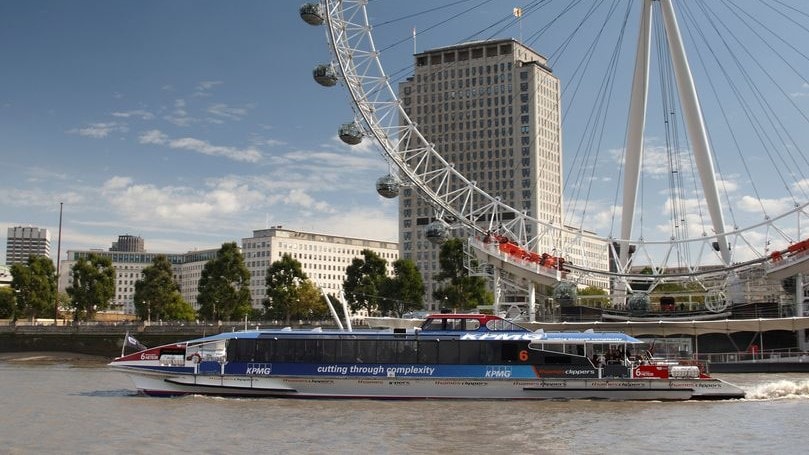
Uber has joined up with Thames Clippers for the launch of its new service, Uber Boat.

The service, which commences in London today (Monday, August 3), will allow users to purchase tickets for Thames Clippers boats in advance through the Uber app and then use QR technology to board.

The payment will be processed using Uber account details.

Passengers will be able to use the service across a fleet of 20 boats on the River Thames, with departures from 23 piers across London.

Thames Clippers’ users can still purchase tickets via the existing methods, including touching in and out with contactless or Oyster and via its own ticketing app.

More than 4.3 million people use the River Thames for commuting and leisure trips each year on the Thames Clippers network, the company said.

Jamie Heywood, Uber’s regional general manager for northern and eastern Europe, said the Uber Boat service is a crucial instrument in helping commuters return to work safely.

He said: “As Londoners begin to head back to work and move safely across the city, they will now be able to book travel on both the river and road through the Uber app.

“We must ensure that everyone does not return to their cars in response to the crisis, so our vision is to end private car ownership in favour of shared, electric vehicles, as well as making greater use of the river network for urban mobility.”

Uber Boat is another example of the company’s attempts to expand its services beyond road travel, following the 2017 announcement of its grand plans to introduce networks of flying taxis under the name Uber Air.

Uber has previously had a tough time making inroads in London, primarily due to repeated licensing issues.

The firm first had their London private hire operator’s licence revoked by Transport for London (TfL) in 2017 due to safety concerns.

Uber was eventually granted a 15-month licence following an appeal, however TfL refused the ride-sharing firm’s application for another new licence late last year after at least 14,000 trips were made with drivers who were not the ones shown on the app.

An appeal against the decision is still ongoing.


All content belongs to MyLondon

We do not claim any content to be our own.
 

Back to school: What Can Pupils in England expect from September?

in Uncategorized

Staggered start times, forward-facing desks and open windows form part of new guidance

Starting September, the government has said it will be compulsory for all pupils in England to return to school after several months of disruption. New guidance has been published, offering advice on everything from choirs and classroom ventilation to Covid-19 testing kits and corridor management. These are the headlines.

Staggered journeys to school

The government wants schools to stagger the start and end of the day to keep groups of students apart and avoid congestion, with staggered lunch and break times to minimize contact. While some schools have been practicing this with limited numbers of pupils, it is likely to be significantly more complex when 1,500 teenagers return from their enforced break at the beginning of September.

Headteachers say transport to and from school will be one of the biggest challenges. While dedicated school buses can be managed to a certain degree, schools have no control when it comes to public transport. Pupils over the age of 11 must wear face masks, which must be safely removed at the school entrance, but the use of public transport should be kept to an absolute minimum. Ministers would like pupils to walk and cycle where possible, but that will be impossible for many.

Bigger protective bubbles

Rather than measuring social distance by the metre in schools, the new government guidance talks about minimising contact and using protective bubbles. Initially the maximum number of children in a bubble was 15; in primaries that has been expanded to 30 and in large secondaries a bubble may have to incorporate an entire year group made up of hundreds of pupils. The bubbles must be kept away from each other throughout the day, in different areas of the building, but staff can move between bubbles so long as they keep their distance.

The idea is to reduce transmission of the virus and that if a pupil tests positive, fewer people have to self-isolate. School leaders have their doubts about how well this might work in often cramped sites with little outdoor space. “The logistics of keeping apart many different ‘bubbles’ of children in a full school, including whole-year groups comprising hundreds of pupils, is mind boggling,” said Geoff Barton, the general secretary of the Association of School and College Leaders.

The new-look classroom

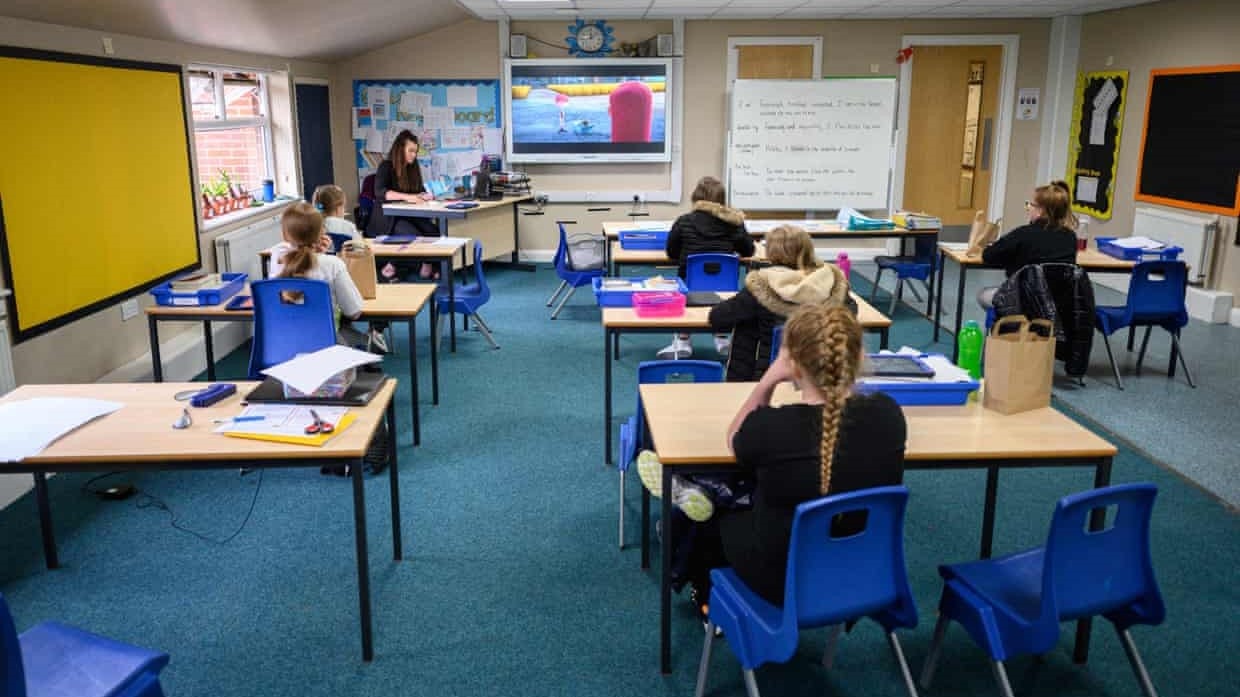
With the teacher at the front of class, and pupils sitting at well-spaced desks, all facing forward, classrooms may look rather old-fashioned to children and young people used to greater freedoms in school. The guidance says windows should be kept open where possible to maximise ventilation and suggests singing and music lessons might be held outside because of the heightened risk of infection. School-wide assemblies are banned and use of staff rooms should be “minimised”.

Some relaxation of the school curriculum

The government is keen to send out the message that it will be business as usual, with a return to a full timetable and broad curriculum. In reality, many children will need extensive help to catch up on lost learning and may need to focus on core subjects. Year 7 pupils starting at secondary school may need to recap their year 6 syllabus and some GCSE pupils may be encouraged to drop a subject so they can focus on maths and English. “We are aware that this may lead to concerns that the curriculum is being narrowed for these children,” Barton acknowledged, adding that it would only happen if it was in the best interests of the pupil.

The aim will be to return to the normal curriculum by the summer term in 2021 but child development and mental health experts have said the emphasis should be on wellbeing, friendships and play as children get back to school, rather than academic attainment. The government acknowledges that remote learning may continue to play a significant role in the case of local lockdowns and for individual pupils, but there remain concerns about access to computers and online resources among the most disadvantaged.

All exams to go-ahead

The government wants all tests and exams to go ahead in the next year, including the phonics screening check in year 1, key stage 1 and 2 tests in primary, and the year 4 multiplication tables check. The new reception baseline assessment, which was due to be introduced for four-year-olds starting school this September, has been postponed. GCSEs and A-levels will go ahead next summer, though they may be delayed for a few weeks to allow extra teaching time, and some content may be reduced. Unions say the changes being proposed are minimal and that the government’s expectations are “unrealistic” given the amount of learning time lost.

Updated behaviour policies

The government guidance warns schools to prepare for more bad behaviour and acknowledges that some pupils will need additional support. The main message, however, is that there must be consequences for poor behaviour, particularly for breaches of new hygiene and distancing rules within schools, and that exclusion can be used as a last resort. Campaigners working with children who have special educational needs and disabilities (Send) are concerned there will be spike in exclusions among pupils with Send, who struggle with school in the best of circumstances and may be significantly affected by lockdown.

Parents can be fined for non-attendance

The government has said it will be mandatory for pupils to return to school from September, with fines for non-attendance as a last resort. Headteachers have opposed this, saying many parents will continue to have genuine fears about health and safety and the school should work with them rather than penalise them for absences. In reality, although the government is insisting on all pupils back in school at the start of the next academic year, headteachers will be allowed to use their discretion over fines and many will no doubt be sympathetic.

Hygiene, hand-washing and a small number of Covid-19 testing kits for schools

The government guidance includes the now familiar regime of regular hand-washing, “catch-it-bin-it-kill-it” messages and regular cleaning of spaces and equipment. Each school will be given a small supply of home testing kits and in the event of a Covid-19 outbreak mobile testing units could be sent to administer tests to a class, year group or entire school if necessary. Where there are two or more confirmed cases in a two-week period, a larger number of pupils may have to self-isolate at home.


All content belongs to The Guardian

We do not claim any content to be our own.

 

Top Skills to Be Learned in 2020

in Uncategorized
Woman writing on a tablet while using her laptop.

Tech skills are currently in demand in the workforce. This demand is tremendously increasing due to society’s transition to digital marketing, e-commerce, and more. 

That’s according to Udemy’s 2020 Workplace Learning Trends Report, which indicates workers across some of the largest industries are heavily focused on learning data science and technology skills.

Here are the top five trending skills for software engineers, marketers, sales professionals, and finance professionals:

Software engineering

  1. Python: Programming language used in software development, infrastructure management, and data analysis
  2. React: JavaScript library for building user interfaces
  3. Docker: Open-source platform used to create software packages
  4. Java: Programming language and computing platform
  5. JavaScript: Programming language primarily used for interactive web design

Marketing

  1. Digital marketing: Advertising products or services through search engines, websites, social media, and mobile apps
  2. Python: Programming language used in software development, infrastructure management, and data analysis
  3. Web development: Writing markup and coding to build a website or application
  4. SQL: Programming language that allows users to manage databases
  5. Google Ads: Online advertising platform developed by Google

Sales

  1. Sales skills: Communication skills such as negotiation or storytelling used to facilitate a business transaction
  2. Excel: Spreadsheet program developed by Microsoft used for calculations, graphs and statistical analysis
  3. Leadership: Providing guidance within an organization
  4. Web development: Writing markup and coding to build a website or application
  5. Public speaking: Communicating information through a presentation

Finance

  1. Excel: Spreadsheet program developed by Microsoft used for calculations, graphs and statistical analysis
  2. SQL: Programming language that allows users to manage databases
  3. Financial analysis: Using company financial data to assess performance and make recommendations
  4. Tableau: Data visualization tool
  5. Leadership: Providing guidance within an organization

Planning to learn these skills? Why not. The Internet is a resource of endless information and free courses that can help you acquire these skills.

Found this article helpful? Don’t forget to share!

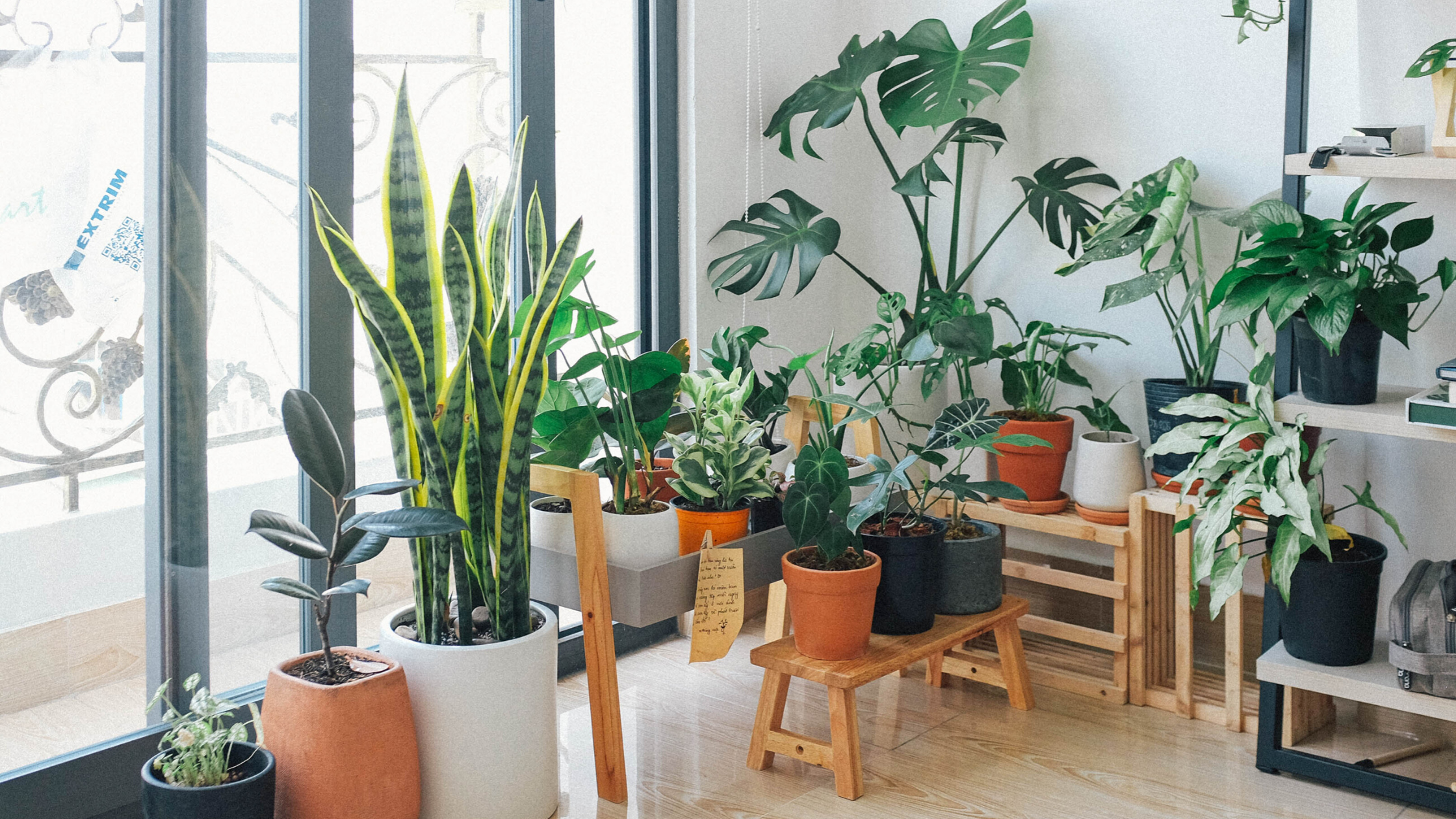
Indoor Plants Great for Homes and Workspaces

in Uncategorized

Home gardening blooms around the world during coronavirus lockdowns. Ever since we entered the lockdown stage of the coronavirus crisis, many of us have been struggling with staying indoors for long periods of time. Without a garden or even a small balcony, it’s natural (or far from natural) to feel starved of greenery and the first glimpses of Spring.

Nature is especially limited in urban areas like cities, so one allotted walk per day is often not enough to lift our mood. With social distancing enforced nationwide, gone are the days of soaking up the rays with a glass of rosé in hand and friends by our side.

Alongside meditation and practicing mindfulness at home, studies have shown that growing plants can have a positive impact on mental wellbeing.

Indoor plants are booming these days because of the positive impacts it can bring to people. Many also developed home gardening a hobby during the quarantine. Here are some indoor plants that you can add to your home garden and the benefits we can get from them:

Succulents

These plants are getting much attention these days. Succulents are ideal for your offices and home workstations. They are easy to maintain, they can also add life to your workspace and motivate you when you are feeling overwhelmed. 

Aloe Vera

This plant is famous to treat burns and insect bites, it’s also known to remove formaldehyde and benzene from the air. Aloe Vera stores water on its leaves, and when it transpires, it releases cool moisture into the air. It is also known to absorb carbon dioxide and release oxygen at night. 

Snake Plant

Snake Plant cleans the air better than other indoor plants as it has the ability to absorb excessive amounts of carbon monoxide. It also gives out oxygen and filters other toxins from the air such as benzene, xylene, trichloroethylene, and formaldehyde.


Areca Palm

Areca Palm is a natural humidifier. It can get rid of benzene and trichloroethylene in the air while transpiring evaporated moisture that can help cool your space.

Spider Plant

Spider Plants are the easiest air-purifying plants to grow. It is effective in removing harmful chemicals from the air such as carbon monoxide, xylene, formaldehyde, and toluene.

Tillandsia

Tillandsia plants are found to remove mild airborne contaminants and chemicals from the air. They can purify the air you breathe. A good reason to have it in your homes and workspaces.


Indoor plants are greatly beneficial. Having your own home garden can not only become a hobby but also give great benefits.  


Don’t forget to share!

Free grit before the big freeze

in Uncategorized

From Sutton.gov.uk

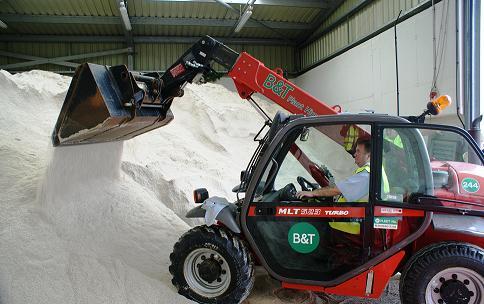
Be ready for snowy and icy conditions by collecting free grit on the weekend of 24-25 November

The council is offering residents and businesses in the London Borough of Sutton the opportunity to collect 10kg of free grit per household/business* to use on footpaths, pavements or roads in front of their homes or business premises.

You can also collect grit for your elderly friends and neighbours, or residents/businesses who don’t have cars. The free grit is available from the following locations:

* Woodcote Green Garden Centre:- Saturday 24 November, 9am – 5.30pm (The garden centre is open until 7pm that day, but we will only be giving out grit until 5.30pm.)
* Woodmansterne Lane, Wallington:- SM6 0SU: Sunday 25 November, 10am – 4pm
* Kimpton Park Reuse and Recycling Centre:- Saturday 24 November, 9am – 5pm
* Kimpton Park Way (off Oldfields Road, A217), Sutton, SM3 9QH:- Sunday 25 November, 9am – 2pm

In addition to these collection points, we will also be sending 50x 10kg bags to The Mount for collection by local residents.

We will also be arranging deliveries for residents that are on an assisted waste collection. If you already receive an assisted collection and are intetested in receiving free grit this winter, please get in touch with our contact centre, where your details will be taken.

Grit at Kimpton Park Reuse and Recycling Centre and Woodcote Green Garden Centre will be ready bagged.

*Please note proof of residency/business in the London Borough of Sutton will be required for yourself and any other household/business you are collecting grit for. Please bring along relevant council tax, business rates (NNDR) or utility bills for each household or local business.

For further information on how to use your grit and gritting within the borough visit www.sutton.gov.uk/winter

Go to Top